Marshall Bluesbreaker
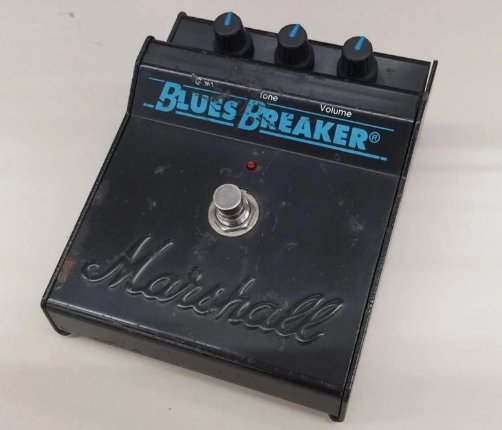
The Marshall Bluesbreaker pedal is one of the most influential overdrive pedals ever created. Originally released in the early 1990s, it was designed to recreate the smooth breakup of a Marshall Bluesbreaker amplifier pushed into natural tube saturation. Unlike more aggressive distortion pedals, the Bluesbreaker focuses on transparency, dynamic response and warm vintage overdrive. These characteristics made it a favorite among blues guitarists who want their amplifier and guitar to remain the core of the tone.
Manufacturer and Model Background
The Bluesbreaker pedal was developed by Marshall Amplification and released in 1991 as part of the company's first generation of compact pedals known as the Marshall Drive series. These pedals were intended to capture classic Marshall amplifier tones in pedal form.
The Bluesbreaker specifically aimed to emulate the sound of the famous Marshall Model 1962 combo amplifier that Eric Clapton used on the legendary Blues Breakers album with John Mayall in 1966. Production of the original pedal lasted only a few years during the early 1990s. Because of its short production run and the unique character of its circuit, the pedal later became highly sought after.
In the boutique pedal world it eventually became one of the most copied circuits ever made. Many modern boutique overdrive pedals are directly inspired by this design. Although Marshall later released reissues, many players still consider the original version to be the most authentic.
Why This Pedal Matters in Blues
The Bluesbreaker circuit is important because it represents a different philosophy of overdrive. Instead of imposing a strong tonal coloration like a Tube Screamer, the Bluesbreaker behaves almost like a small tube amplifier being pushed slightly beyond its clean headroom. The result is a subtle breakup that preserves the natural tone of the guitar and amplifier.
For blues guitarists this is extremely valuable. It allows expressive playing where pick attack, finger dynamics and the guitar volume knob control the amount of drive. The pedal enhances the feel of the amplifier rather than replacing it. This approach fits perfectly with traditional blues playing where the player's touch and phrasing define the sound.
What Respected Blues Guitarists Did With It
Eric Clapton's early Blues Breakers era tones came from the Marshall amplifier that inspired the pedal. That thick yet articulate breakup became the blueprint for the pedal's sound. Later players such as John Mayer, Joe Bonamassa and many modern blues guitarists rely on Bluesbreaker style overdrives to add light saturation without losing clarity.
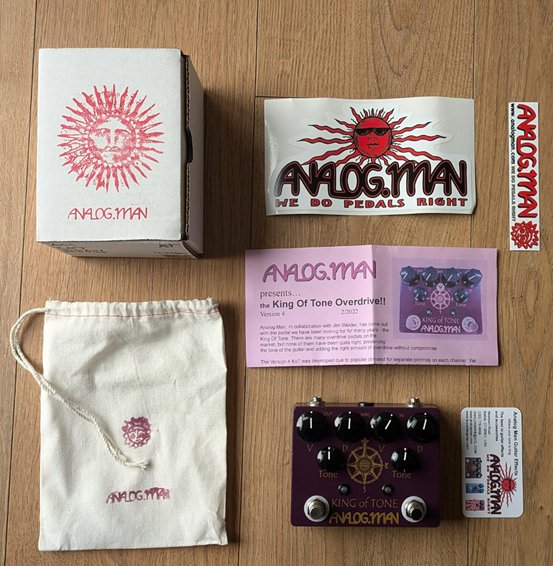
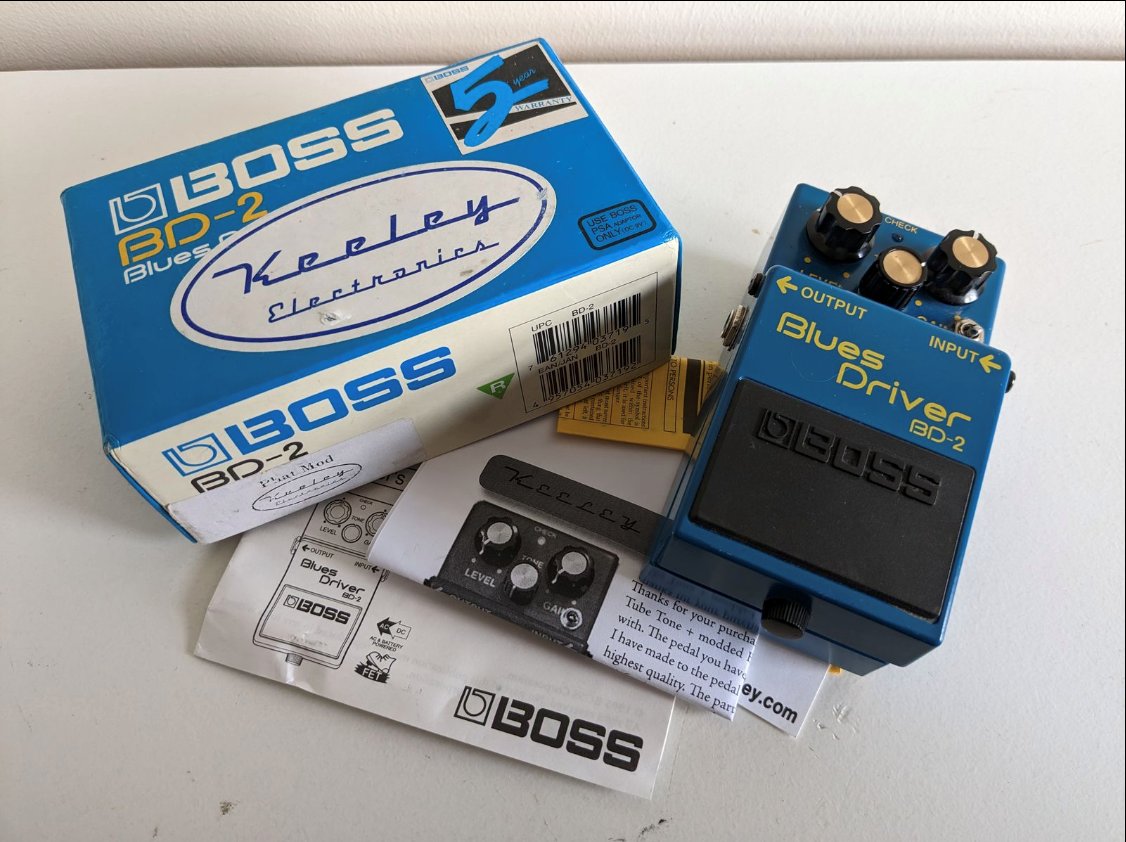
Many boutique builders such as Analog Man and JHS have built entire pedal lines based on this circuit, which shows how important the original design has become in the blues guitar ecosystem.
Sound Profile
The Bluesbreaker pedal has a very distinctive tonal character.
With a Stratocaster the pedal produces glassy blues tones with gentle breakup, ideal for Texas blues styles. With humbuckers it becomes thicker and warmer, producing singing sustain without muddiness. Through a Deluxe Reverb or Bassman it adds British flavored breakup while keeping the Fender sparkle intact.
What Makes It Special
Several design elements make the Bluesbreaker circuit unique. The clipping structure produces softer distortion compared with typical diode clipping designs, creating a very amplifier-like response. The circuit also preserves a wide frequency range, which is why the pedal sounds transparent compared with many mid-focused overdrives.
Another important aspect is the extremely dynamic interaction with the guitar's volume knob. Rolling back the guitar volume cleans up the signal smoothly, much like a tube amplifier. Because of these characteristics the pedal behaves less like a traditional effect and more like an extension of the amplifier.
Gerbman's playing style is heavily influenced by expressive blues phrasing where dynamics and touch sensitivity matter. A Bluesbreaker style pedal fits perfectly in that environment.
Placed early in the overdrive section of the pedalboard, it provides a light breakup foundation. When stacked with other pedals such as a Tube Screamer or Klon style drive, it creates richer harmonic layers without excessive compression. With Fender style amplifiers and Stratocasters the Bluesbreaker circuit helps create warm vintage blues tones that remain articulate during solos.
It also works extremely well when combined with other drives on the board, allowing subtle gain staging rather than relying on a single high gain pedal.
Rarity and Availability
Original early 1990s Bluesbreaker pedals are now considered collectible. The original pedal is discontinued and used examples regularly appear on the vintage market but are not extremely common. Collector interest is high because the circuit became the foundation for many boutique pedals.
Variants and Alternatives
The Bluesbreaker family spans several versions and inspired generations of boutique builders.
- Marshall Bluesbreaker original early 1990s — the most authentic version of the circuit
- Marshall Bluesbreaker reissue models — more accessible modern versions
- Marshall Bluesbreaker II — adds a boost mode to the original circuit
- Analog Man King of Tone — widely considered the ultimate refinement of the Bluesbreaker concept
- JHS Morning Glory — respected boutique interpretation with added versatility
- Wampler Pantheon — modern take with expanded tonal range